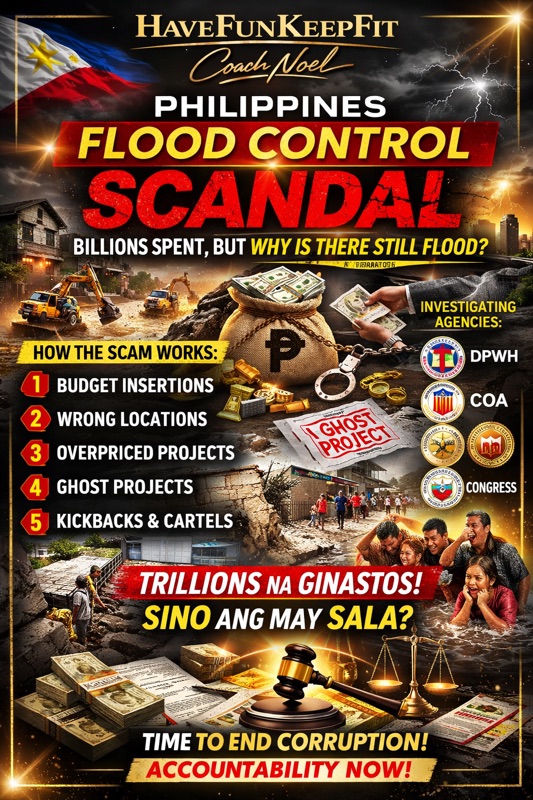
Philippinesz Flood Control Scandal: What You Need to Know
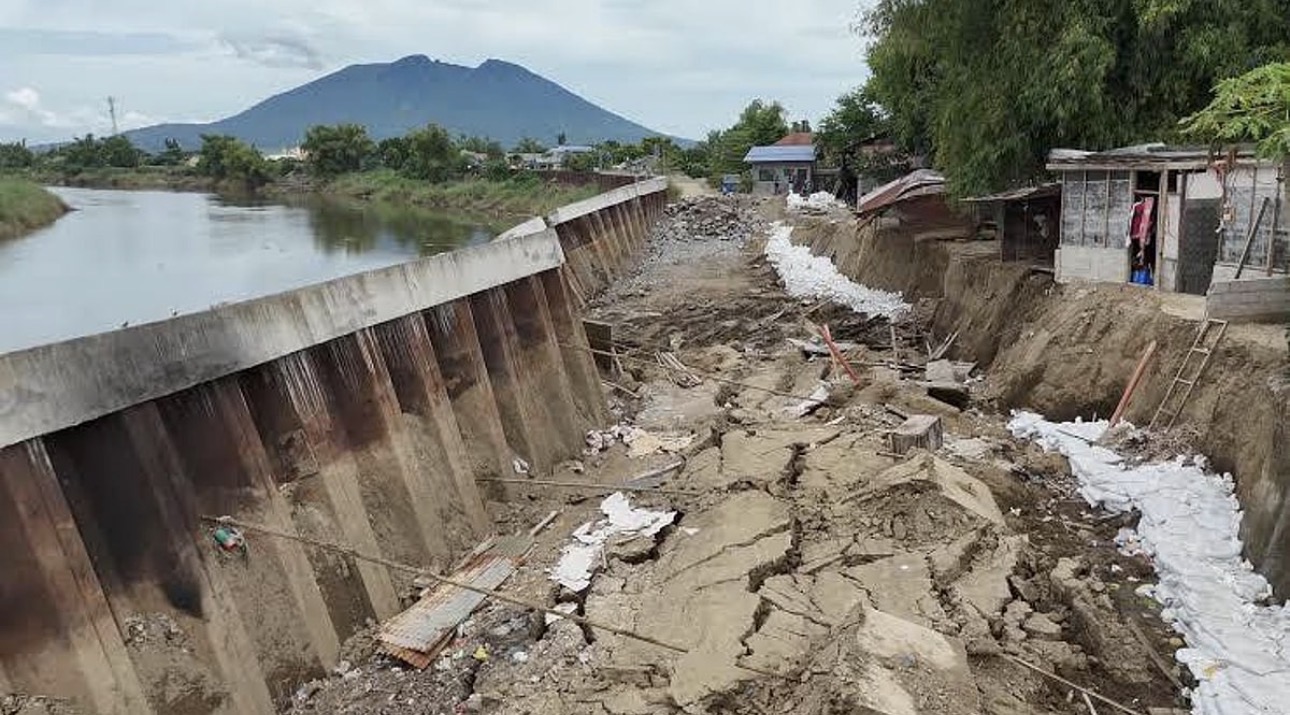
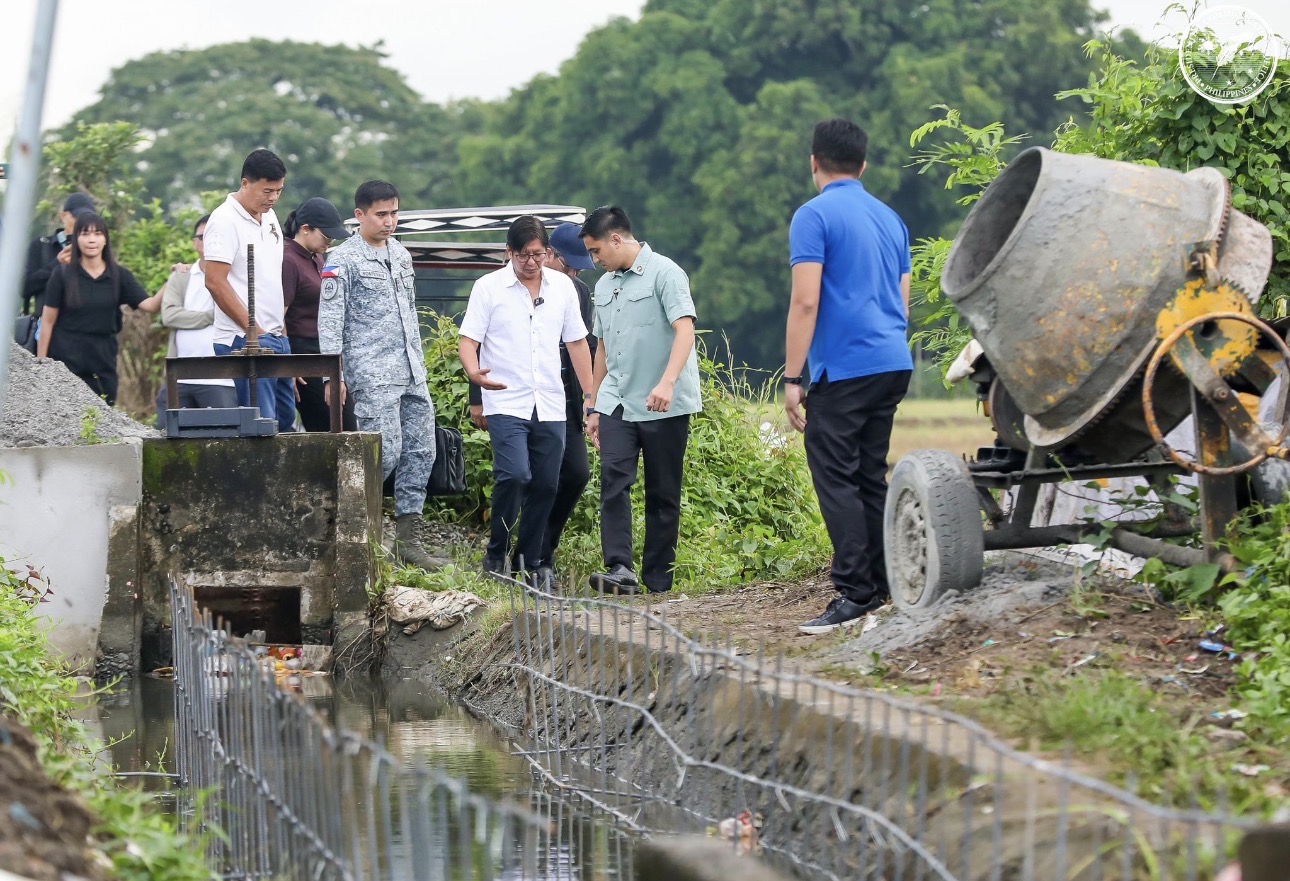
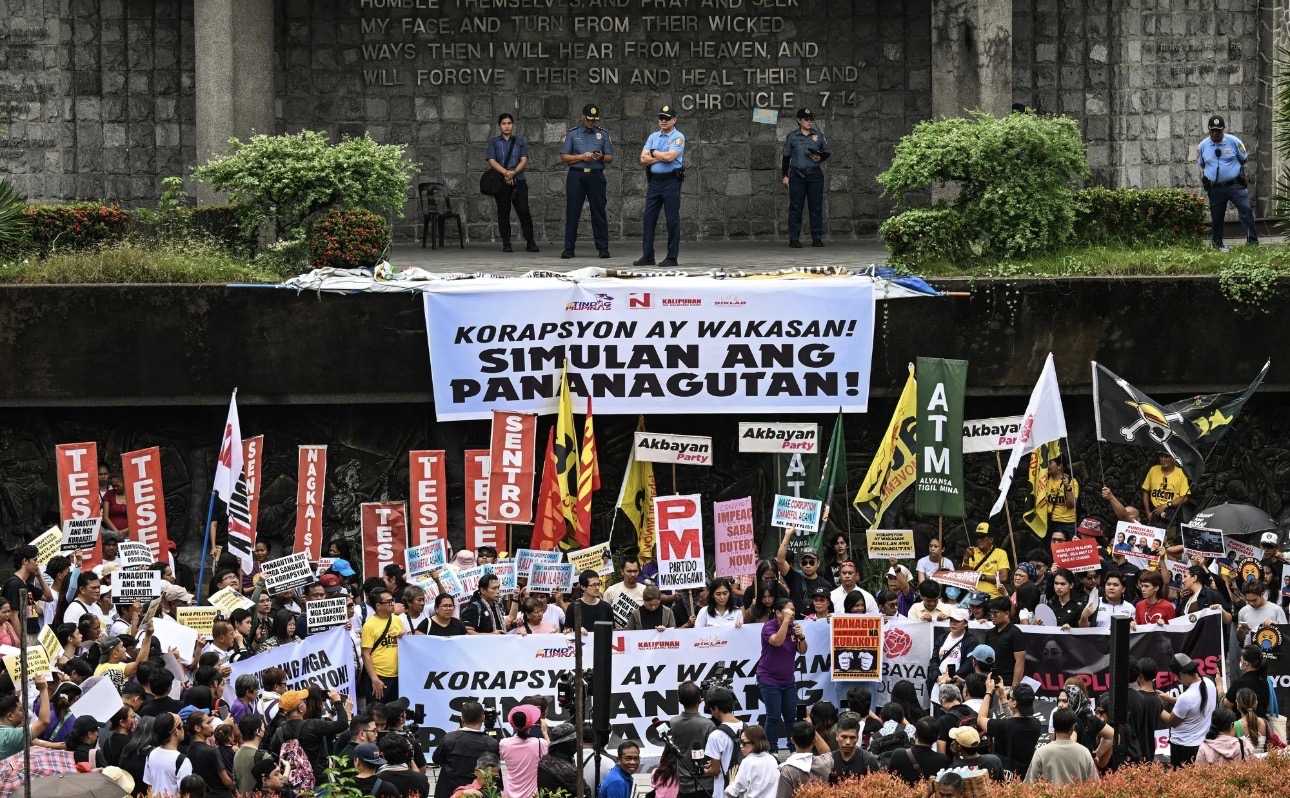
The Flood Control Scandal centers on billions of pesos poured into Department of Public Works and Highways flood-control projects—many of which turned out to be redundant, overpriced, misplaced, or completely non-existent.
This controversy exploded after multiple lawmakers, whistleblowers, and residents complained about “ghost projects,” “insertions,” and “politically-engineered budgets.”
How the Scandal Works — Simplified
“Flood-Control Insertions” in the Budget
Huge allocations—sometimes ₱50M, ₱80M, even ₱150M—were inserted into districts with no history of severe flooding.
Wrong Locations
Some “flood-control projects” were allegedly built:
- on mountain slopes,
- beside rivers that don’t overflow,
- or in villages that never flood.
Multiple Projects on the Same Road
Several reports revealed 3–5 flood-control projects stacked on the same location, under different program IDs — a classic “budget-slicing” technique.
Ghost Projects
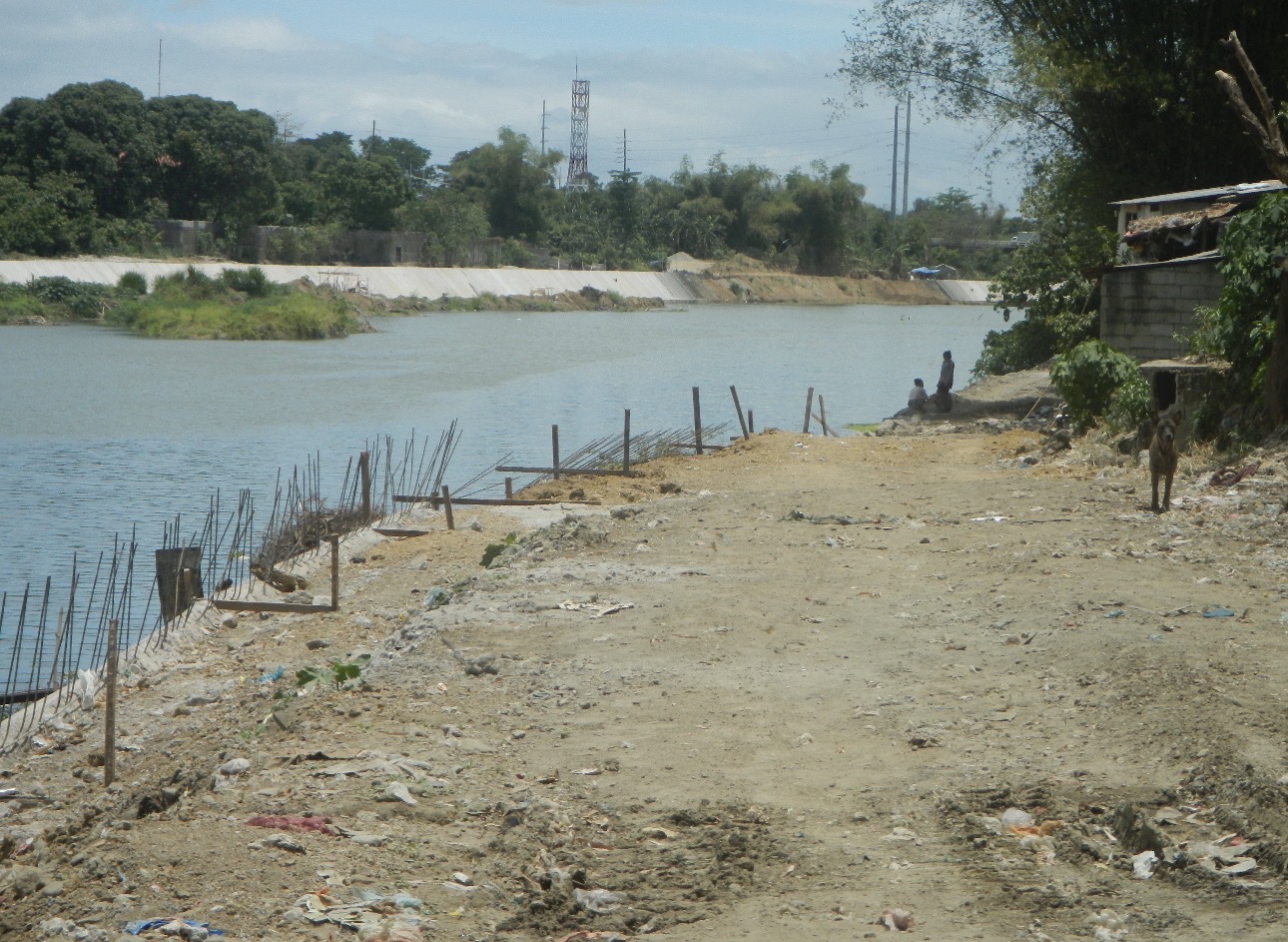
Community residents reported concrete dikes and drainage listed as “completed,” but nothing was ever built.
Kickbacks & Contractor Cartels
Contractors allegedly linked to local politicians won repeated bids, raising suspicion of rigged procurement.
Government Agencies Involved
Key institutions now tied to investigations:
- Department of Public Works and Highways
- Commission on Audit (COA)
- Office of the Ombudsman
- House of Representatives (budget insertions/allocations)
Why It Became a National Issue
Massive Money Involved
Flood control is among the largest budget items yearly — billions of pesos.
Yearly COA “red flags”
COA repeatedly flagged:
- padded costs
- non-existent projects
- substandard materials
- overlapping project IDs
Politically Linked Contractors
A recurring network of favored construction firms emerged.
Public Outrage
Filipinos asked the same question:
“Bakit baha pa rin kahit trillions na ang ginastos?”
Names That Emerged in Public Discussions
(These are NOT verdicts — they are subjects of public scrutiny or online discourse.)
- Lawmakers accused of “insertions”
- Local political clans benefiting from repeated projects
- Certain district engineers allegedly approving ghost projects
Examples of “Questionable” Projects (as reported in media)
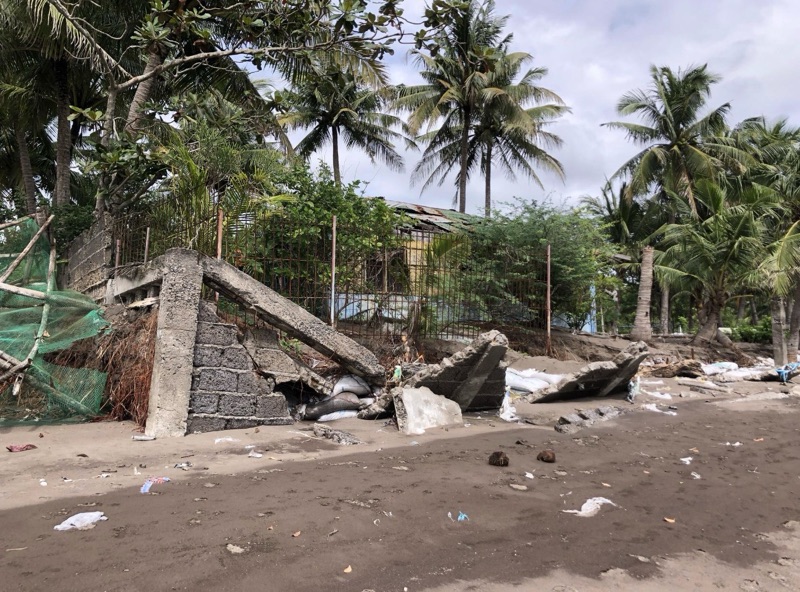
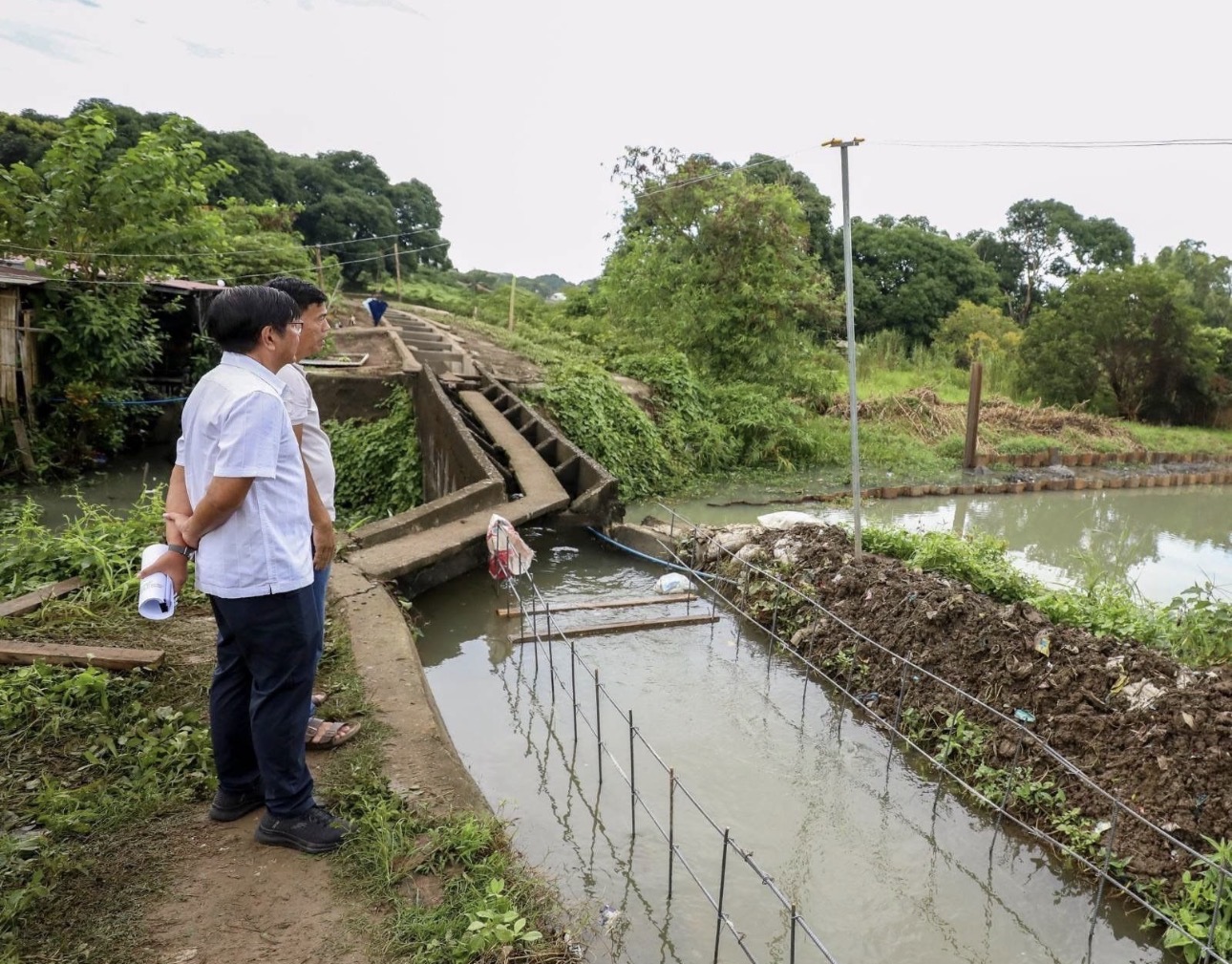
- Dikes that collapsed after 2–3 months
- Projects “completed” on paper but never built
- Drainage canals constructed on flat, dry areas
- Multi-million projects built in the wrong barangay
Root Causes (Based on Public Reports & Analyses)
- Budget insertion becomes a “reward system”
- District engineers have big influence over project approvals
- Lack of on-ground validation
- Weak monitoring by national agencies
- Cartel-like contractor groups
- Political protection / lack of prosecution
Why the Flood-Control Budget Keeps Growing
Even with controversies, flood-control budgets balloon yearly because of:
- the climate-change narrative
- disaster-prevention framing
- heavy political influence
- big money in infrastructure
#FloodControlScandal
#StopTheCorruption
#GhostProjects
#DPWHIssue
#PhilippinesPolitics
#PublicFundsPublicTrust
#TaxpayersMoney
#AccountabilityNow
#TagaBahaPaRin
#TrillionsNaGinastos
#PHNews
#BreakingPH
#LabanPilipinas
#GoodGovernance
#ExposeTheTruth
#AntiCorruption
#HoldThemAccountable
#TruthToPower
#FloodedPH
#ParangDiNamanUmuulan
#BakitBinabaha
#ClimateJusticePH
#COAFindings
#CongressInsertions
#DPWHProject
@inquirerdotnet
@philstarnews
@manilabulletin
@rappler
@coaphilippines
@dost_pagasa
@officialgazetteph
@houseofrepsph
@dpwhph
@ombudsmanph
@gwhsgovph
@moveph
@bantaykita
@transparencyinternational
No comments:
Post a Comment