Road to Carthage: The Death of Joseph Smith—Faith, Power, and Politics
Introduction
The story of Joseph Smith is often told as a tale of religious persecution. But history reveals a more complex reality—one where faith, political ambition, and rising power collided in a way that would ultimately lead to tragedy.
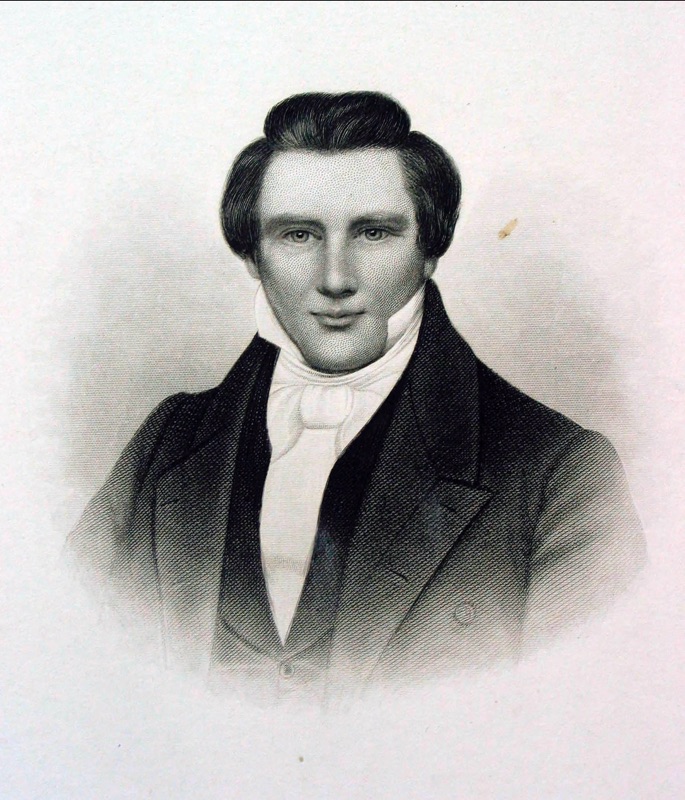
By 1844, Smith was not only a religious leader but also a political force, and that combination made him both influential—and dangerous in the eyes of his opponents.
The Rise of Nauvoo
In the early 1840s, the city of Nauvoo became a thriving center for members of The Church of Jesus Christ of Latter-day Saints.
What started as a refuge quickly grew into:
- One of the largest cities in Illinois
- A strong economic hub
- A unified voting bloc with political influence
This rapid growth caught the attention—and concern—of surrounding communities. The unity of the Saints, especially in elections, made local leaders uneasy.
Faith Meets Politics
Joseph Smith didn’t just lead spiritually—he stepped into the political arena. In 1844, he declared his candidacy for President of the United States.
This move changed everything.
To supporters, it was:
- A chance for religious freedom
- A voice for the marginalized
To critics, it was:
- A threat to democratic balance
- A concentration of power in one man
Tensions escalated as fear spread among political leaders who saw Smith as a growing force they could not control.
Escalation of Conflict
As opposition intensified, conflicts between the Saints and their neighbors became more frequent and more dangerous.
Key factors included:
- Political rivalry
- Religious differences
- Economic competition
- Fear of collective voting power
These tensions eventually led to Smith’s arrest and imprisonment in Carthage Jail.
The Assassination
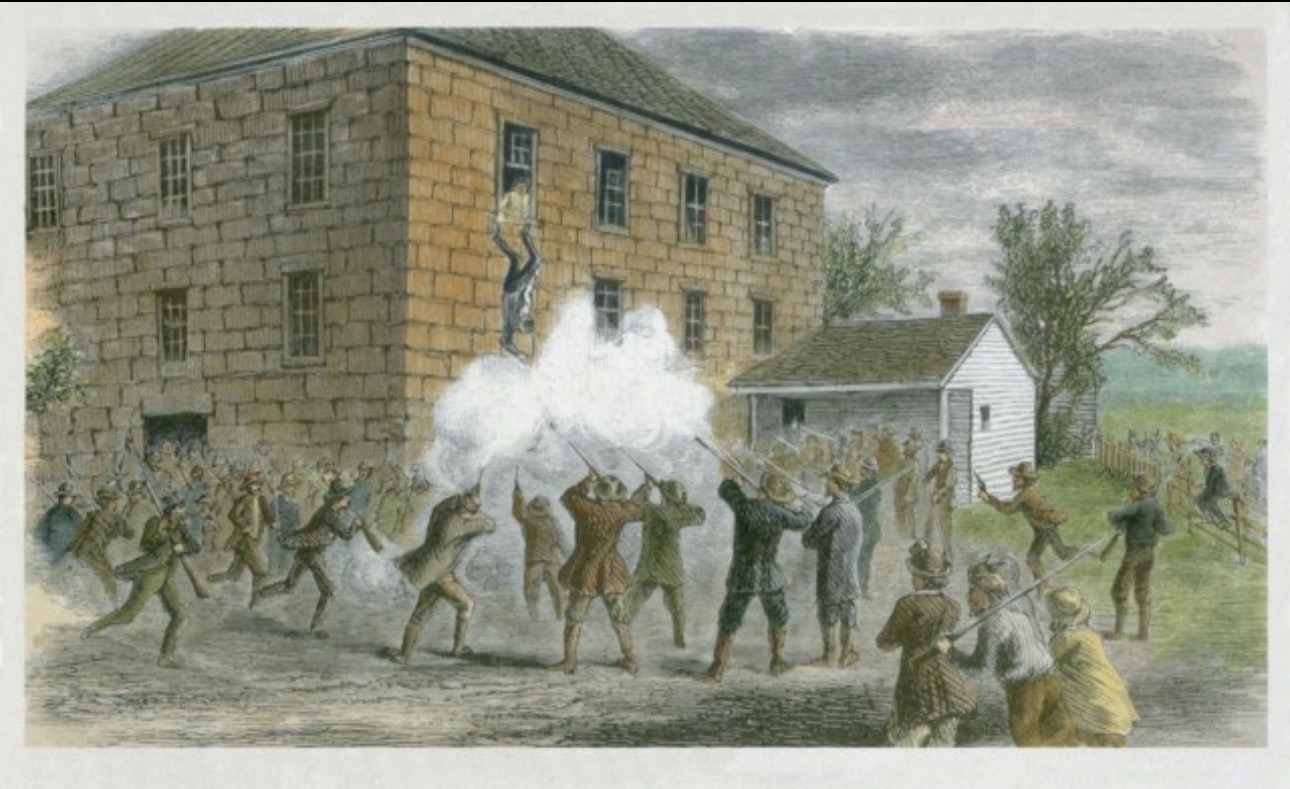
On June 27, 1844, a mob stormed Carthage Jail.
Joseph Smith and his brother Hyrum were killed.
While many remember this as religious martyrdom, historians often point to a broader context:
- Political hostility
- Fear of influence
- Breakdown of law and order
It was not just about belief—it was about power.
A Turning Point in History
Smith’s death marked a critical moment for the Latter-day Saint movement.
After his assassination:
- Leadership transitioned under new figures
- The Saints eventually migrated west
- The movement continued to grow globally
What began as a local conflict reshaped an entire religious community’s future.
Reflection: More Than a Martyrdom
The story of Joseph Smith challenges us to look deeper.
It raises important questions:
- When does influence become threatening?
- Can religion and politics truly coexist peacefully?
- How does fear shape history?
His life—and death—remain a powerful reminder that leadership in any form carries both opportunity and risk.
Conclusion
The “Road to Carthage” is not just a historical path—it is a story of ambition, faith, and the consequences of rising influence.
Joseph Smith’s legacy continues to spark discussion, not only within religious circles but also in broader conversations about power, governance, and belief.
#JosephSmith #ChurchHistory #LDSHistory #CarthageJail #Nauvoo #FaithAndPolitics #HistoryExplained #ReligiousHistory #TruthInHistory #HaveFunKeepFit
@HaveFunKeepFit
@ChurchHistory
@LDS
No comments:
Post a Comment