Showing posts with label Family. Show all posts

Sunday, September 13, 2026

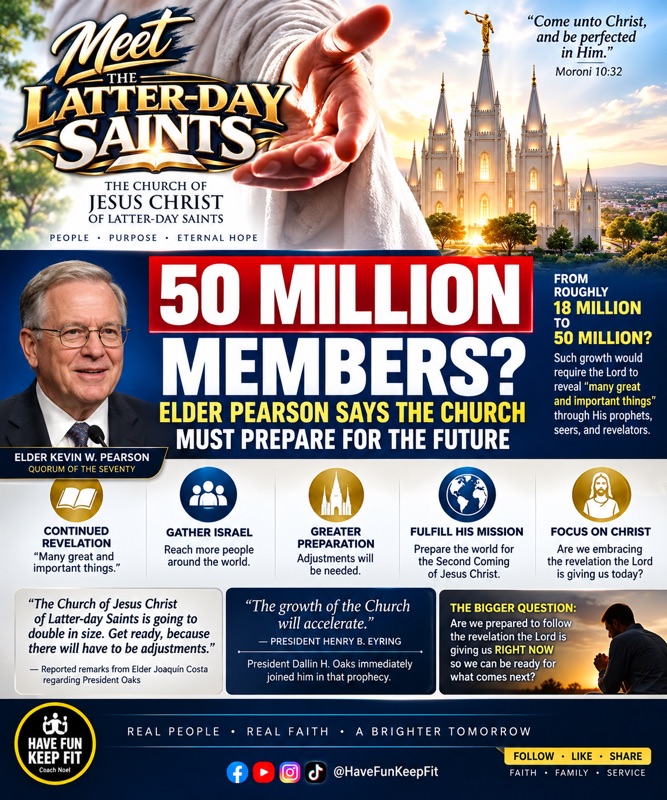
50 MILLION MEMBERS? ELDER PEARSON SAYS THE CHURCH MUST PREPARE FOR THE FUTURE

A recent message from Elder Kevin W. Pearson has sparked an important conversation about the future growth of The Church of Jesus Christ of Latter-day Saints.

Speaking about the possibility of the Church growing from roughly 18 million members to 50 million, Elder Pearson emphasized that growth on such a scale would require continued revelation—“many great and important things”—through prophets, seers, and revelators.

But the message goes far beyond numbers.

He connected the need for preparation with the Church’s divine mission and our responsibility to prepare for the Second Coming of Jesus Christ. 

His remarks also bring to mind other messages Church leaders have shared about future growth. President Henry B. Eyring has taught that the growth of the Church will accelerate, while other leaders have repeatedly emphasized the worldwide gathering of Israel and the need to prepare spiritually for what lies ahead.

There have also been reports from Church members in Chile suggesting that leaders were told to prepare for significant growth and the adjustments that could accompany it. Such secondhand reports should be distinguished from official statements, but they add to the wider discussion taking place among Latter-day Saints.

Still, perhaps the most important question isn’t:

“When will the Church reach 50 million members?”

The more important question is:

Are we prepared to follow the revelation the Lord is giving His Church TODAY?

Because our willingness to receive and act on present revelation may help prepare us for whatever the Lord reveals next.

With General Conference approaching, this is something worth pondering and praying about. 

Could we one day see 50 million members of The Church of Jesus Christ of Latter-day Saints?

If extraordinary growth is ahead, what changes and opportunities might come with it?

And most importantly, how are we personally preparing for the return of Jesus Christ?

Share your thoughts respectfully below. 👇

#GeneralConference #JesusChrist #SecondComing #LatterDaySaints #ChurchGrowth #LivingProphets #GatheringOfIsrael #Restoration #ComeUntoChrist #Faith


Wednesday, September 09, 2026

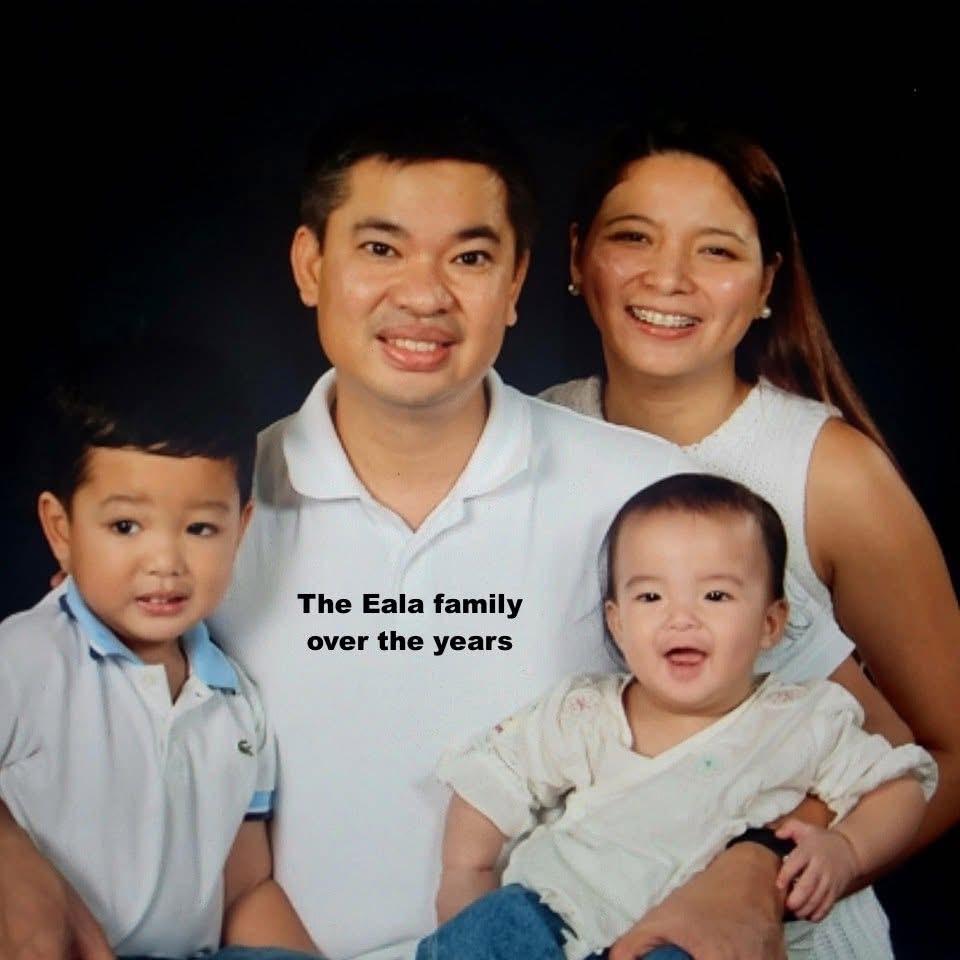
THE QUIET FOUNDATION BEHIND ALEX EALA’S RISE


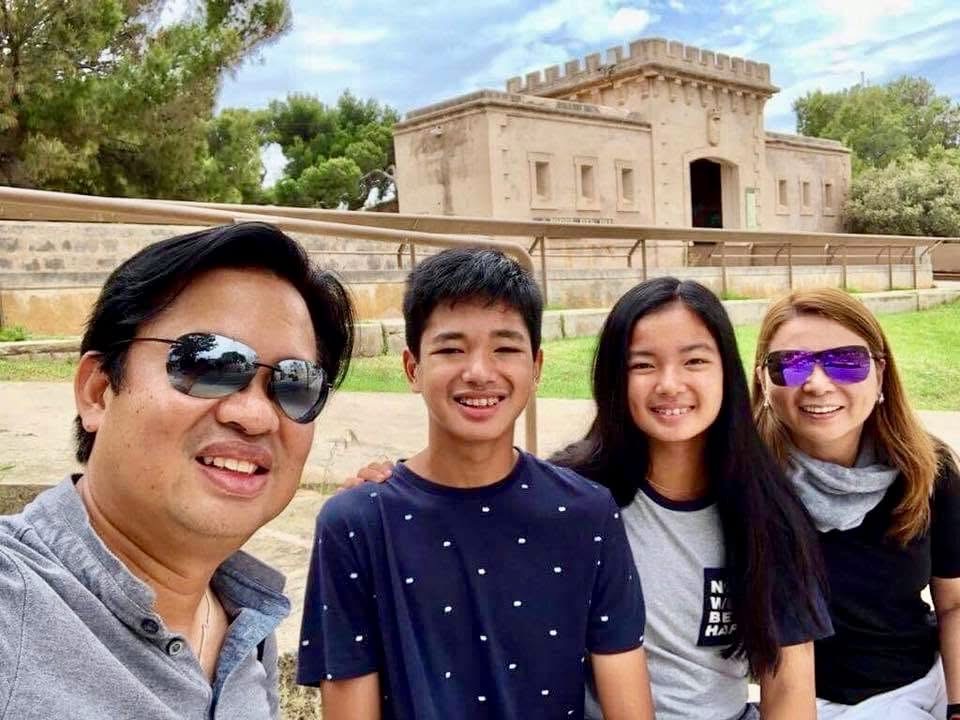
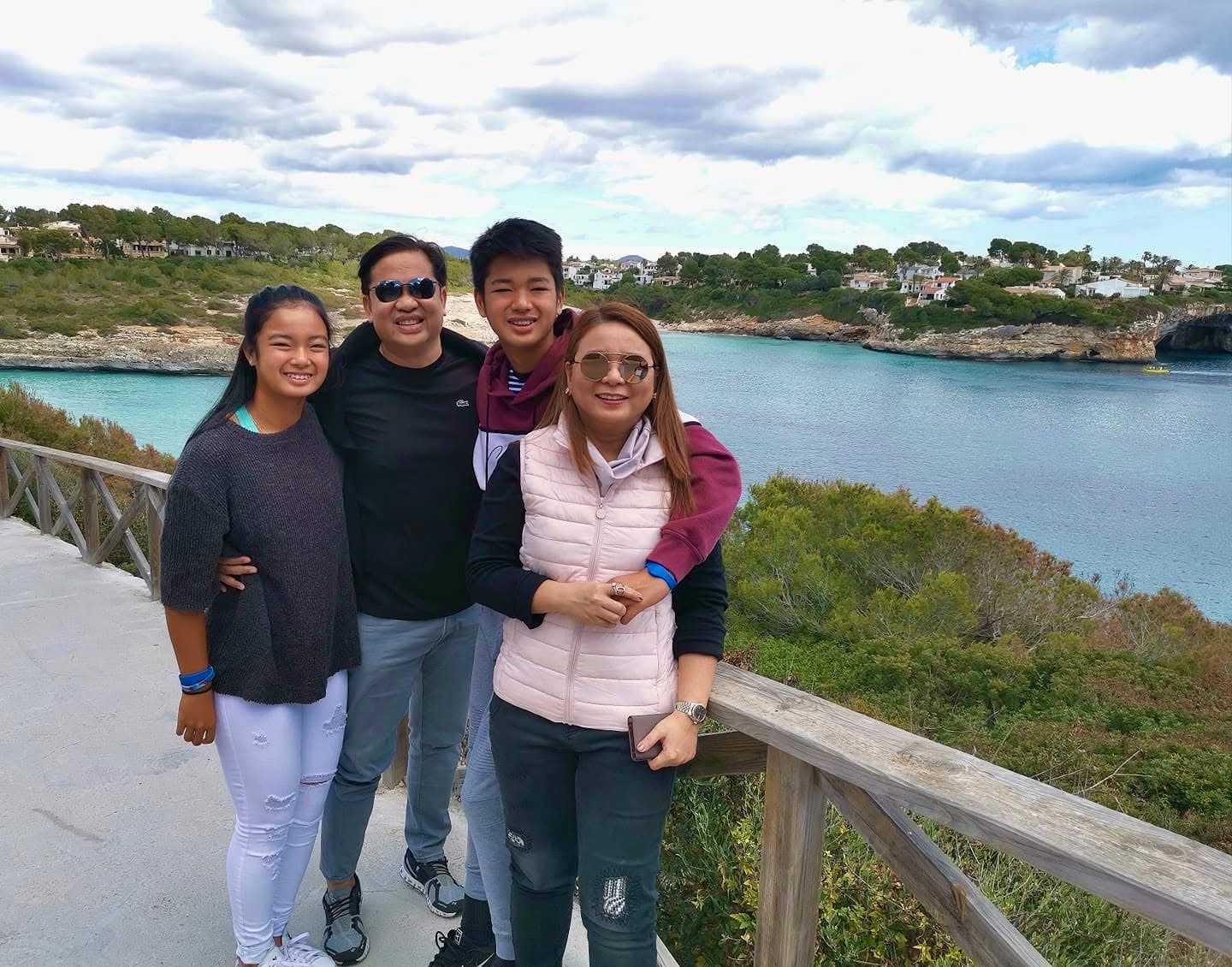
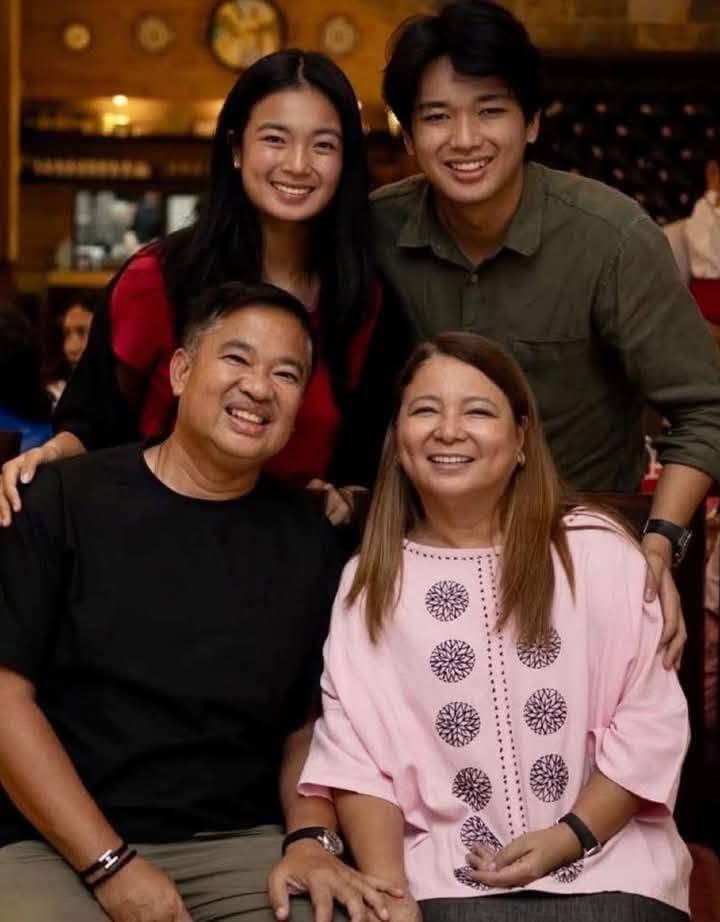
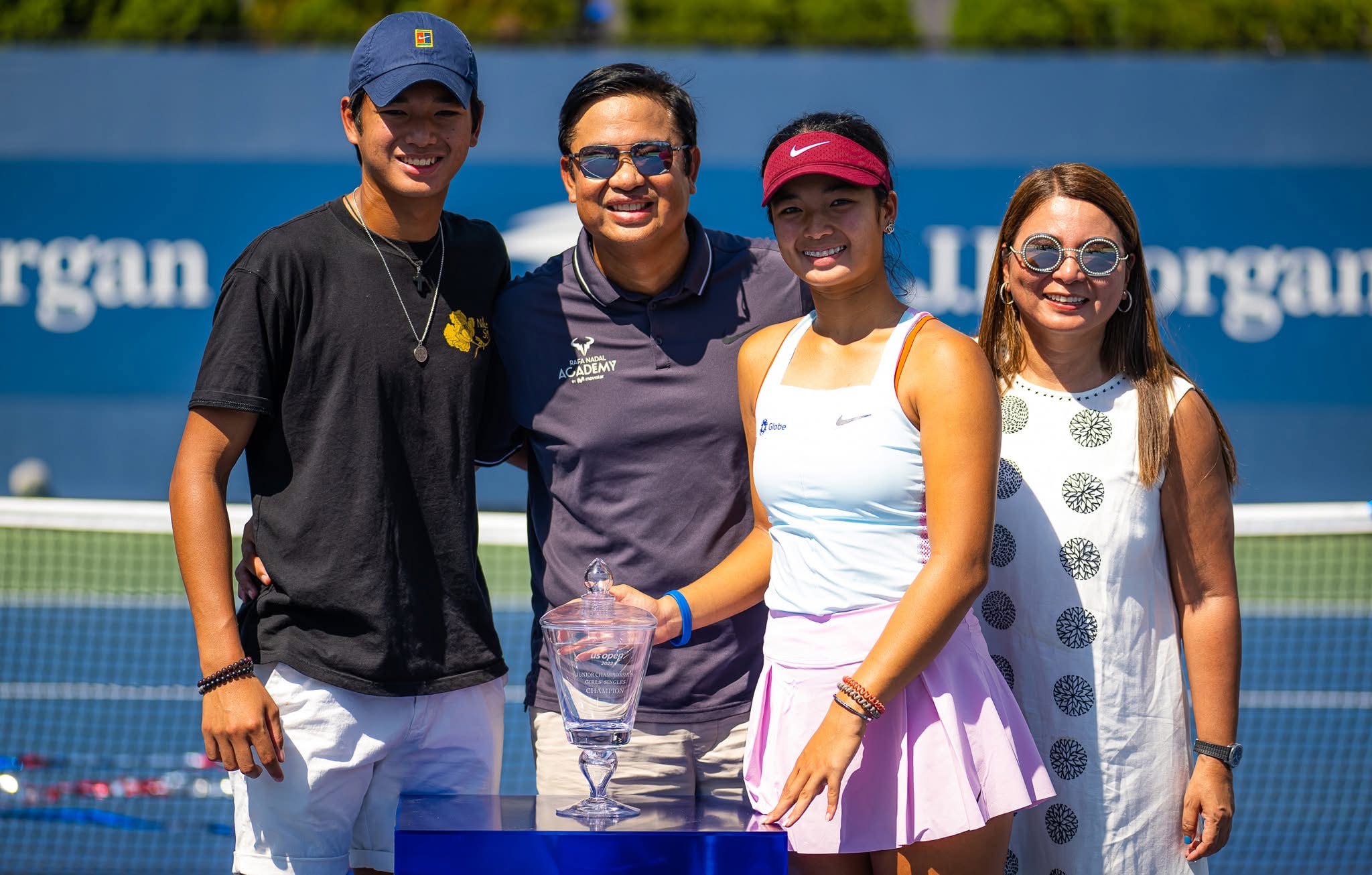
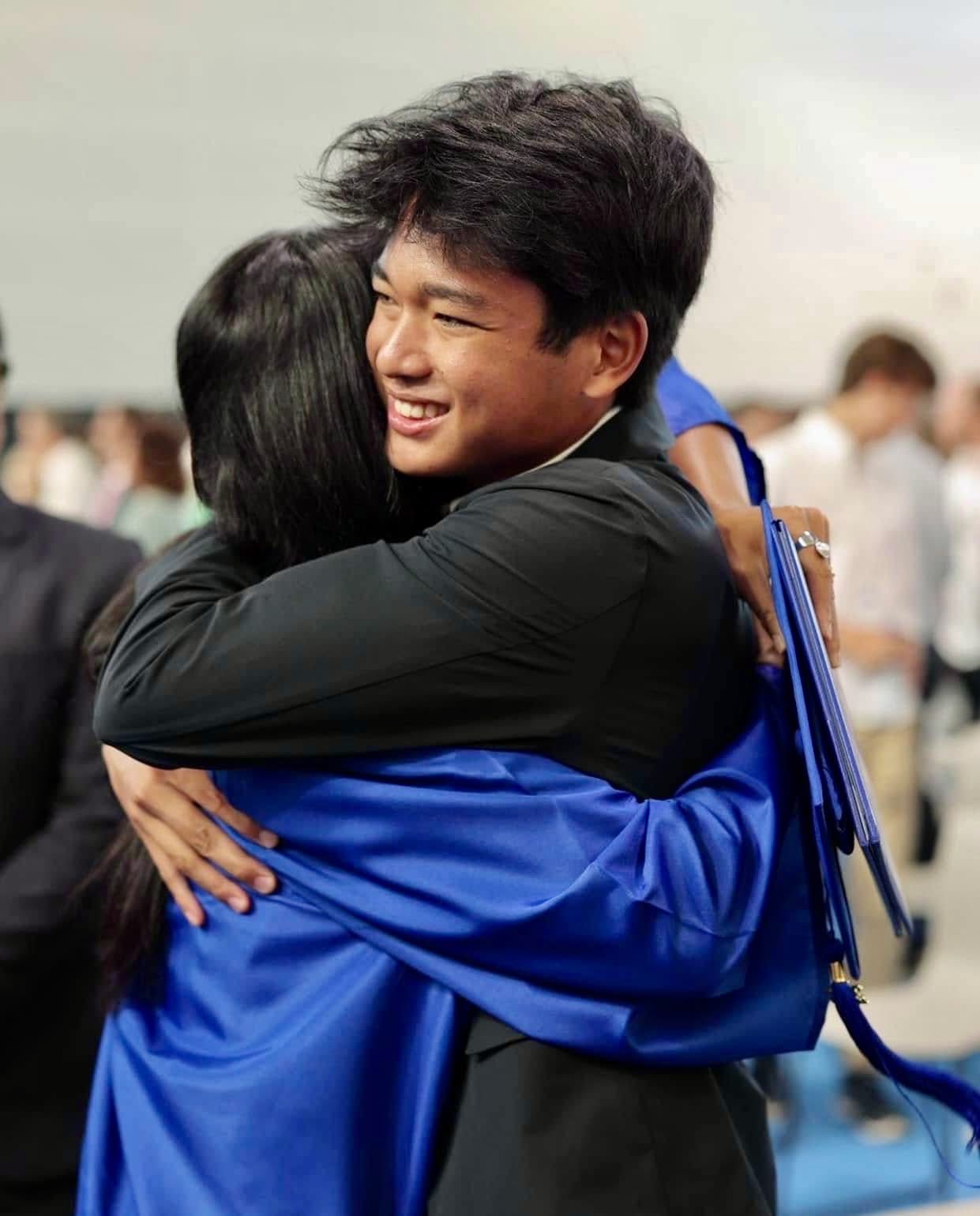
Behind the headlines, roaring crowds, historic victories, and growing international recognition of Alex Eala is something far more important than fame: family.

Long before the trophies and bright lights, there was a strong foundation built at home.

Alex’s late grandfather, Robert “Lolo Bob” Maniego, together with her parents, Mike and Rizza Eala, helped create an environment where Alex and her older brother, Miko, could grow not only as athletes, but as people.

Their journey was never simply about producing champions. It was about giving their children love, education, discipline, opportunity, and the freedom to pursue their dreams.

As Alex and Miko developed their passion for tennis, their family stood behind them—supporting, encouraging, sacrificing, and believing in them without needing to take center stage.

And perhaps that is one of the most beautiful parts of Alex’s story.

While the world celebrates her victories, the people who helped build her foundation have largely remained where they have always been: behind her, quietly cheering.

They remind us that sometimes the strongest support does not need to be loud.

WHY THIS MATTERS

We live in a world where success is often associated with fame, influence, connections, and visibility. But the Eala family’s story offers another perspective:

Character is often built away from the cameras.

Before the world sees the champion, there are years of discipline, sacrifice, education, setbacks, encouragement, and unconditional love that few people ever witness.

The greatest foundation may not be the trophies on the shelf, but the values carried in the heart.


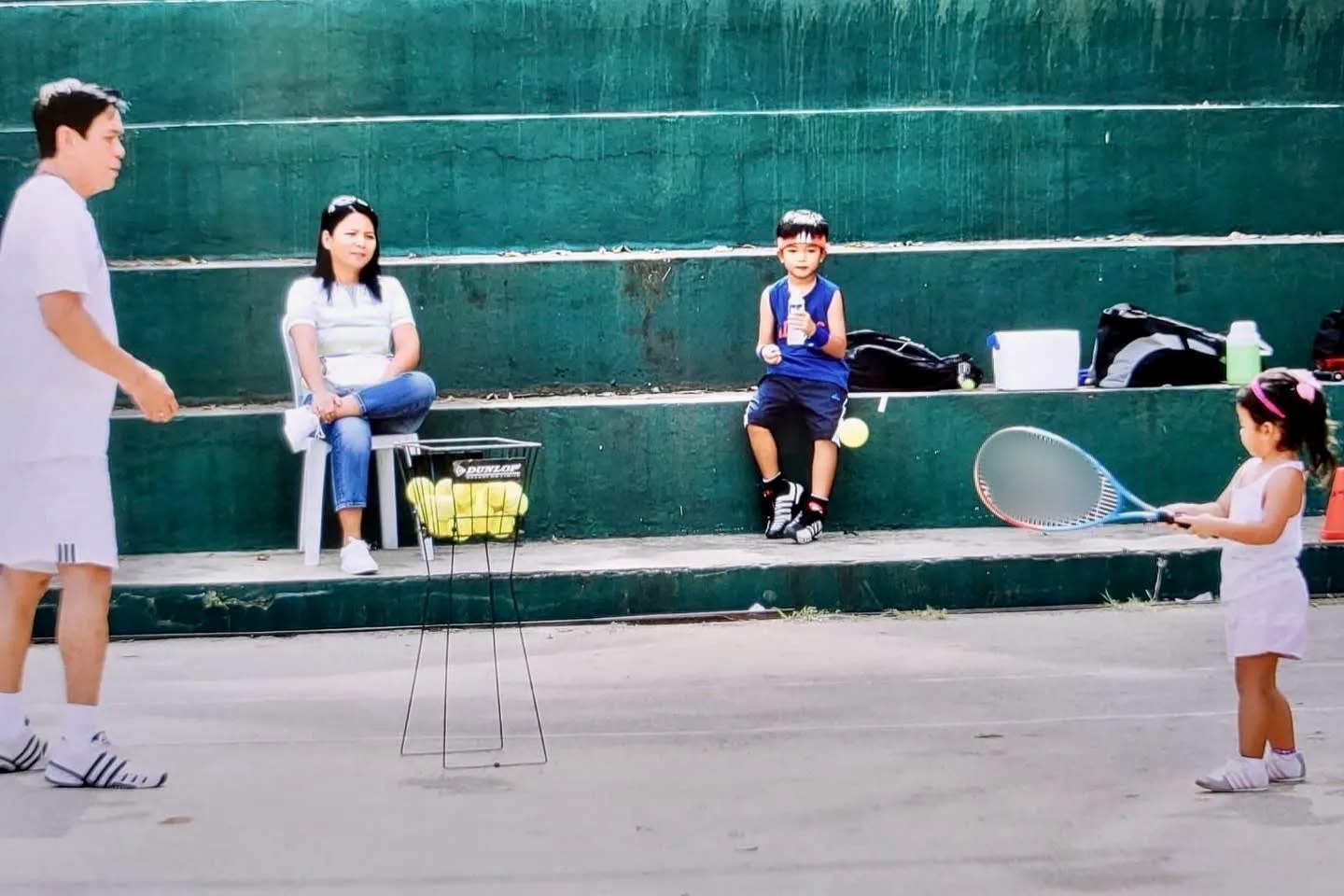
Tignan mo mabuti kuya Miko…

Take a closer look at Kuya Miko.

His water bottle is already open and lifted, just about to be brought to his lips. But he stops mid-air. 

The reason? His three-year-old little sister has just taken a swing. It’s a young Alex Eala, her racquet almost as big as she is, making her first attempt at tennis under the watchful eye of her coach, Lolo Papa. Their mom lovingly watch in the background, while her brother pauses everything to watch her perform. This was before Rafa Nadal Academy, before the trophies, and before the world recognized her name. 

In the bleachers, with a bottle in hand, Kuya Miko decided that his little sister's small moment mattered more than his own break. 

That’s how champions are truly nurtured—not just through drills and baskets of Dunlop balls, but by a family that watches, waits, and cheers for every little swing. 

The promise remains the same over the years: "𝐈'𝐯𝐞 𝐠𝐨𝐭 𝐲𝐨𝐮, 𝐬𝐢𝐬. 𝐈’𝐦 𝐰𝐚𝐭𝐜𝐡𝐢𝐧𝐠."


VALUES WE CAN LEARN FROM THEIR STORY

  1. Raise good people first. Success means more when it is accompanied by character.
  2. Make education part of the foundation. Knowledge provides opportunities far beyond sports.
  3. Give children genuine love and support. A secure home can give them courage to face the world.
  4. Support their dreams without taking ownership of their success.
  5. Stay humble when recognition begins to arrive.
  6. Protect family relationships from the pressures of fame and outside expectations.
  7. Celebrate victories, but remain present during defeats.
  8. Grow together with mutual respect, sacrifice, and care.

SOMETHING WORTH REFLECTING ON

These values extend far beyond tennis.

Integrity. Hard work. Humility. Education. Discipline. Compassion. Family.

These are qualities we hope to see not only in athletes, but also in future professionals, public servants, community builders, and leaders.

Strong nations are ultimately built by people of character—and much of that character begins at home.

Alex Eala’s rise reminds us that behind many extraordinary achievements are ordinary moments the public never sees: parents making sacrifices, families encouraging one another, children learning discipline, and loved ones continuing to believe even when success is still far away.

The world may see Alex Eala the champion. 

But behind that champion is a foundation built through years of love, sacrifice, education, discipline, humility, and family.

And perhaps that is one of the most valuable victories of all. 

#AlexEala #EalaFamily #FamilyValues #FamilyFirst #Education #Discipline #Humility #FilipinoPride #ProudFilipino #Tennis #Inspiration


Monday, July 27, 2026

FAMILY TIES ON THE LINE?

President Marcos Jr. Says the Law Comes First—Even If It Means His Cousin Faces Charges


Introduction

One of the strongest moments in President Ferdinand “Bongbong” Marcos Jr.’s fifth State of the Nation Address (SONA) was his declaration that no one is above the law—not even members of his own family.

The statement comes as public attention intensifies over reports that the Office of the Ombudsman is preparing to file multiple cases against former House Speaker Martin Romualdez, who is also the President’s first cousin.

Background

For years, Romualdez was considered one of the most influential political figures in the country and a close ally of President Marcos. Their family relationship has often been viewed as a symbol of political unity within the administration.

Now, that relationship is under the spotlight as legal proceedings are reportedly being prepared against the former Speaker.

What the President Said

President Marcos acknowledged that the situation is personally difficult but emphasized that his responsibility as the country’s leader must come before family loyalty.

“It may be painful, but it has to be done. I am not the President of my family. I am not the President of my friends.”

The President stressed that justice must be enforced fairly and impartially, regardless of a person’s position, political influence, or relationship with him.

Why This Matters

If legal cases are formally filed, the development could become one of the most significant political stories of the year. It will test the administration’s commitment to accountability and the principle that every public official is subject to the rule of law.

At the same time, the legal process remains important. Allegations and planned charges are not findings of guilt. Any cases filed would still have to go through the courts, where those involved have the right to defend themselves.

Public Reaction

The President’s remarks have sparked widespread discussion. Some view the statement as a strong commitment to equal justice, while others believe the public should wait for the legal process to unfold before drawing conclusions.

As developments continue, Filipinos will be watching closely to see how the case progresses and whether the administration’s words are matched by action.

Conclusion

President Marcos Jr.’s message was clear: the rule of law should take precedence over personal relationships. Whether this principle will be tested in court remains to be seen, but the issue is likely to remain at the center of national attention in the coming months.


Source: Statements made during President Ferdinand Marcos Jr.‘s Fifth State of the Nation Address (SONA) and reports regarding the Office of the Ombudsman’s reported plan to file cases against former House Speaker Martin Romualdez.


Tuesday, April 28, 2026

Who Was Joseph Smith?


Joseph Smith (1805–1844) is regarded by members of The Church of Jesus Christ of Latter-day Saints as the prophet of the Restoration.

From this perspective, he was not creating a new religion—but restoring ancient doctrines, priesthood authority, and temple worship believed to have been lost after the era of Christ’s Apostles.


Joseph Smith and Freemasonry

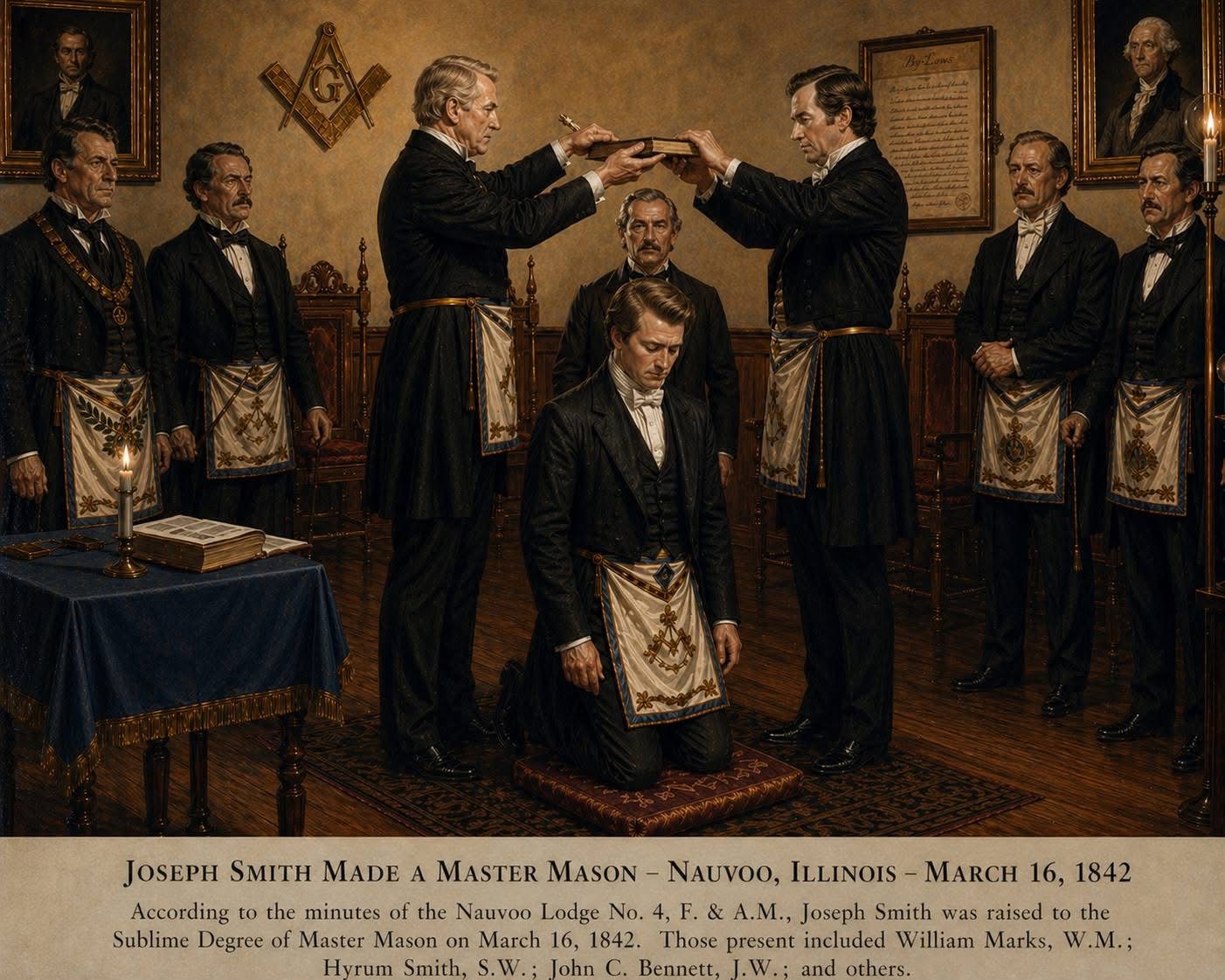
Joseph Smith became a member of Freemasonry in March 1842 in Nauvoo, Illinois. He joined alongside several close associates, including his brother Hyrum Smith.

At the time, Freemasonry functioned as a fraternal society that taught moral principles through symbolic rituals and allegory.

Within weeks of joining, Joseph introduced Latter-day Saint temple ordinances—something that has sparked ongoing discussion due to perceived similarities.

Latter-day Saint Viewpoint

Rather than seeing this as imitation, many Latter-day Saints interpret it differently:

  • Freemasonry may have preserved fragments of ancient symbolic traditions.
  • Joseph Smith, through revelation, restored their original divine meaning.
  • His involvement is viewed as contextual—not foundational—to his prophetic role.


Family Connections to Masonry

Joseph Smith’s exposure to Masonic ideas likely did not begin in isolation:

  • His brother Hyrum Smith was an active Mason.
  • His father, Joseph Smith Sr., is believed to have had some level of Masonic familiarity.
  • Several early Church leaders in Nauvoo were also involved in Masonry.

This environment may have provided familiarity with symbolic systems—but not the source of revelation itself.


Temple Worship vs. Masonic Ritual

This is the most discussed comparison.

Observed Similarities:

  • Structured progression through stages
  • Use of symbolic gestures and signs
  • Sacred clothing (such as aprons and robes)
  • Moral instruction tied to commitments

Key Differences:

Freemasonry

  • Fraternal and symbolic
  • Does not claim divine authority
  • Focused on ethical teachings

Latter-day Saint Temple Worship

  • Centers on sacred covenants tied to salvation
  • Claimed to be revealed by God
  • Teaches eternal progression and priesthood authority

Core Distinction:

Similarity in form does not imply shared origin.
Latter-day Saints believe Masonry reflects fragments—while temple worship represents a restored whole.


Biblical Connections

Freemasonry itself draws heavily from biblical imagery, especially from the building of Solomon’s Temple.

Common Themes:

  • Progression toward divine presence
  • Sacred knowledge revealed in stages
  • Symbolism used to teach spiritual truths
  • Covenant relationships with God

Shared Figures & Elements:

  • King Solomon
  • Temple architecture (pillars, altars, sacred spaces)
  • Symbolic figures like Hiram Abiff


Latter-day Saint Interpretation

From an LDS perspective:

  • The Bible preserves authentic patterns of ancient temple worship.
  • Over time, these patterns were altered or partially preserved in traditions like Masonry.

So the framework becomes:

  • Masonry → partial preservation
  • LDS temple ordinances → restored system


Timeline of Joseph Smith’s Masonic Advancement

Joseph Smith progressed through Freemasonry rapidly:

  • March 15, 1842 – Entered Apprentice
  • March 16, 1842 – Fellow Craft
  • March 16, 1842 – Master Mason

Completing all three degrees in roughly 24 hours is unusual by modern standards—but not unheard of in the 19th century.

Why So Fast?

Several historical factors explain this:

  • Nauvoo’s rapid growth: The lodge was newly formed and expanding quickly.
  • Leadership role: Joseph was the central civic and religious figure in the city.
  • Period norms: Accelerated advancement occurred in frontier lodges when needed.


What Is a Master Mason?

In Freemasonry, becoming a Master Mason represents:

  • Full membership in the lodge
  • Completion of the core symbolic journey
  • Participation in central teachings, including the allegory of Hiram Abiff

It emphasizes integrity, loyalty, and the pursuit of truth.


Putting It All Together

From a Latter-day Saint perspective:

  • Joseph Smith’s teachings did not originate from Freemasonry.
  • His prophetic role was established years before his Masonic involvement.
  • Masonry may have provided symbolic language—but not doctrine.

Temple ordinances are understood as:

  • Revealed, not invented
  • Ancient in origin, not modern creations


Bottom Line

  • Joseph Smith joined Freemasonry in March 1842 and advanced rapidly within days.
  • His involvement is viewed as historically contextual rather than doctrinally influential.
  • Similarities between Masonry and temple worship are interpreted as shared ancient roots—not direct borrowing